
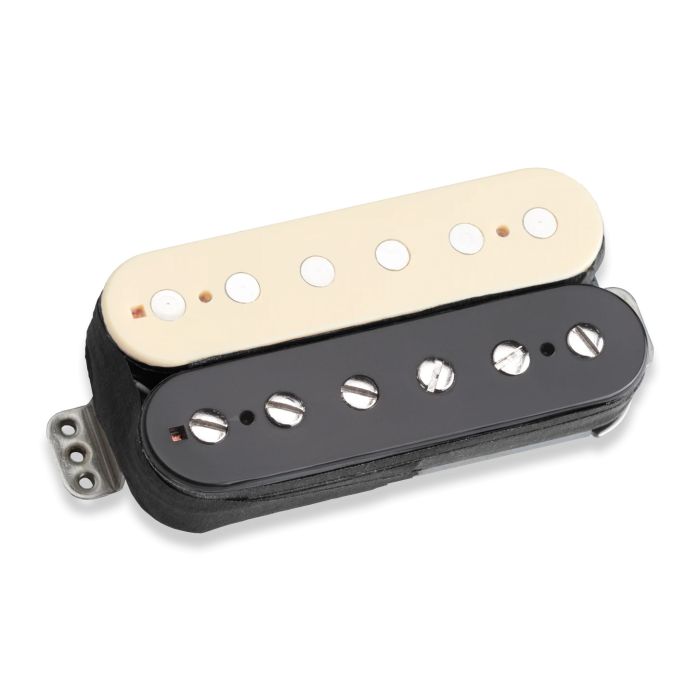
Seymour Duncan Slash 3.0 Bridge TB Reverse Zebra Pickup
 Share
Share
- Brand new in original box
- Full Seymour Duncan manufacturer's warranty
- Free shipping in the continental US
In stock
- SKU
- 11103-42-RZ
Description
Seymour Duncan Slash 3.0 Bridge TB Reverse Zebra Pickup
The Slash 3.0 Bridge captures thick, articulate high-output tones that cut through dense mixes with clarity and presence. Hand-built with classic construction methods and premium materials, this pickup sits comfortably in the bridge position where it records controlled aggression without muddiness. The reverse zebra coil covers provide visual distinction while the refined voicing makes this an excellent choice for engineers seeking confident sustain and definition across multiple session styles.
Tone & Construction
Built around a rough cast Alnico 5 magnet, this pickup generates responsive output with natural harmonic complexity ideal for tracking. Vacuum wax-potting eliminates microphonic feedback and ensures stable, consistent performance across varying studio conditions—critical for punch and clarity when layering takes and building arrangements.
Specifications & Compatibility
The 4-conductor wiring allows flexible coil-splitting and wiring configurations to expand your tonal palette within sessions. Available in both long- and short-leg formats with options for standard or Trembucker spacing, ensuring proper fit for your instrument's bridge configuration and enabling seamless integration into any studio setup.
Key Features
- Hand-built in Santa Barbara
- Rough cast Alnico 5 magnet
- Vacuum wax-potted construction
- 4-conductor wiring
- Reverse Zebra coil covers
- Wood spacers and traditional appointments
- Available in long-leg and short-leg options
- Standard and Trembucker spacing configurations
The Slash 3.0 Bridge combines time-tested design with meticulous craftsmanship to deliver a pickup that records and performs as consistently as it sounds.
More Information
| Condition | New |
|---|
Reviews
At a Glance
The Seymour Duncan Slash 3.0 Bridge is a hand-built, high-output bridge pickup that records with impressive clarity and harmonic complexity, sitting confidently in heavy-guitar mixes without muddiness or feedback. Its Alnico 5 magnet and vacuum wax-potting deliver stable, articulate response session to session, while 4-conductor wiring opens flexible coil-split and voicing options for layering and tone shaping in the mix. A trusted choice for metal, hard rock, and studio tracking where sustain and presence matter.
Who This Is For
Great for
- ✓ Hard Rock
- ✓ Metal
- ✓ Rock
- ✓ Thrash Metal
- ✓ Studio Sessions
Not the best pick for
- – Jazz
- – Folk
- – Country
Skill level: Intermediate · Advanced · Professional
Frequently Asked Questions
What makes this pickup different from the EMG 81 or DiMarzio Super Distortion?
The Slash 3.0 combines high output with articulate harmonic clarity and natural sustain, using hand-built construction and rough cast Alnico 5 rather than active or ceramic designs. It sits between aggressive modern output and vintage tone character, offering controlled presence without brittleness or feedback.
Will this pickup fit my guitar?
The Slash 3.0 comes in long-leg and short-leg versions with standard or Trembucker spacing options. You'll need to confirm your bridge type and pickup routing before ordering—standard Fender-style bridges use standard spacing, while some hardtail and locking bridges use Trembucker spacing.
Can I coil-split this pickup for cleaner tones?
Yes—the 4-conductor wiring supports flexible coil-splitting and series/parallel switching, so you can dial in tighter, cleaner voicings alongside the full high-output character.
How stable is this pickup in different studio or live environments?
Vacuum wax-potting eliminates microphonic feedback and ensures the pickup remains tonally stable across temperature and humidity changes, making it dependable for both recording sessions and touring.
Is this pickup good for genres outside metal and hard rock?
The Slash 3.0 is voiced specifically for hard rock, metal, thrash, and rock—its controlled aggression and presence are designed for those contexts. Jazz, folk, and country players will likely find it too aggressive and output-heavy for their needs.
Compare With
Artists Who Play This
Similar Gear
Complete the Rig
Gear that pairs well with this.
✨ For You
Based on what you've been looking at.